 Hanhai
1 / 1
The material’s inherent durability, reinforced by optimized casting parameters, contributes to enhanced resistance against surface wear, environmental corrosion, and fatigue-related deterioration. These properties reduce the risk of deformation and structural weakening during prolonged service. Even when exposed to moisture, pressure variations, abrasive conditions, or industrial chemicals, the component continues to operate steadily while lowering maintenance demands and minimizing downtime.
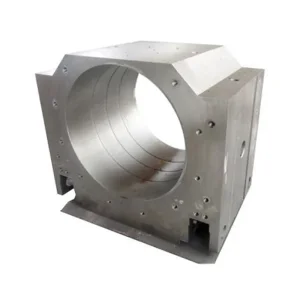
Dimensional accuracy is achieved through carefully regulated production controls and advanced mold engineering methods. Close tolerance management ensures compliance with engineering specifications and assembly requirements. The refined surface quality improves installation precision and integration with adjacent components, reducing the necessity for extensive secondary machining and supporting efficient manufacturing processes.
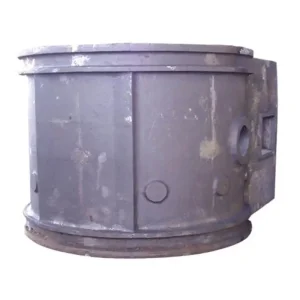
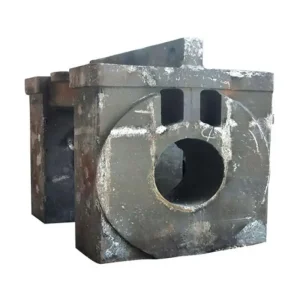
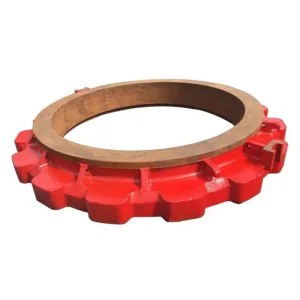
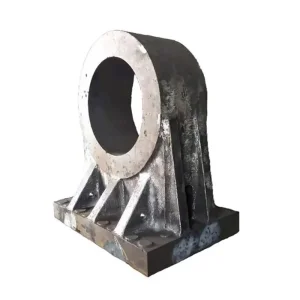
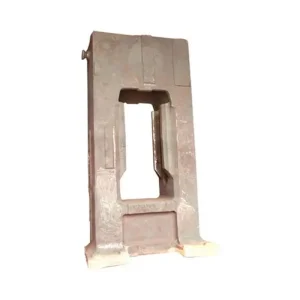
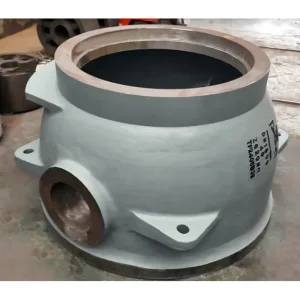
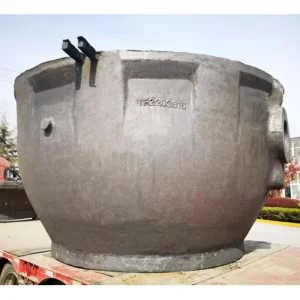
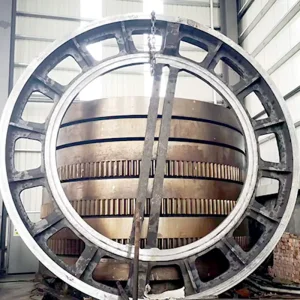
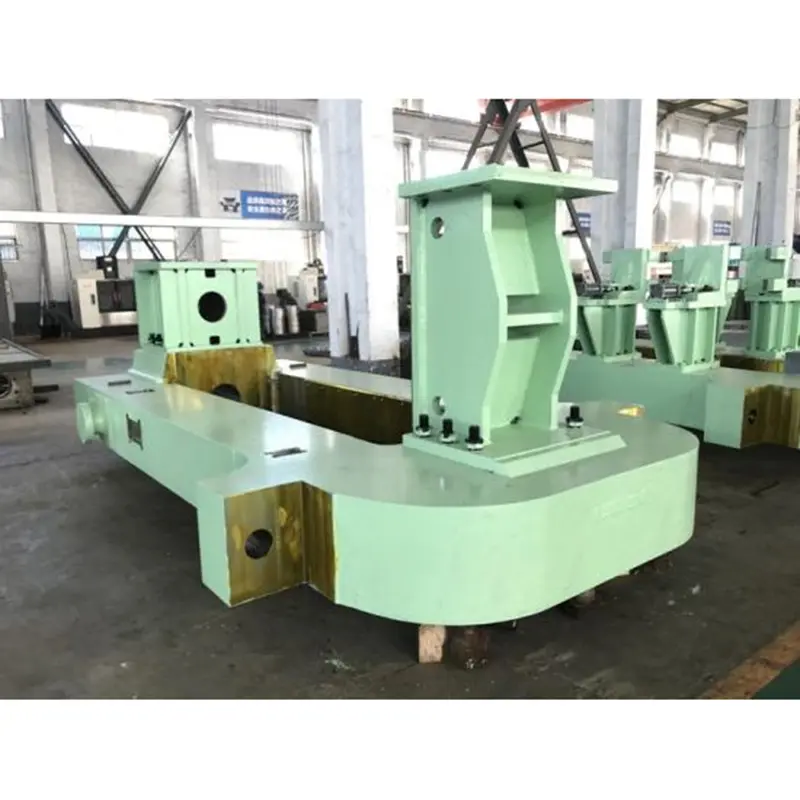
Owing to its structural dependability and adaptability, this cast iron casting is broadly utilized across sectors such as heavy machinery production, automotive systems, construction equipment, mining operations, agricultural machinery, and general industrial manufacturing. Typical applications include mounting structures, protective housings, support frames, brackets, base platforms, and other load-bearing assemblies requiring durability and precision.
To address diverse technical needs, customizable production options are available. Adjustments in material grade, dimensional parameters, weight specifications, surface treatments, and machining tolerances can be provided according to client drawings or project requirements, ensuring suitability across varied service environments.